

Exploring the Intricate Engineering and Versatility of the Cylinder: A Marvel of Shape and Function
A cylinder is a geometric shape that has fascinated mathematicians and scientists for centuries. With its perfectly curved sides and circular ends, the cylinder holds a unique place in the world of geometry and engineering. This article delves into the intricate details and versatility of this remarkable shape, highlighting its diverse applications in various fields ranging from architecture to industry.
First and foremost, let us understand the fundamental aspects of a cylinder. A cylinder is a three-dimensional object characterized by two parallel circular bases connected by a curved side, which is also known as the lateral face. The axis of the cylinder is a straight line connecting the center points of its bases. This geometric perfection provides the cylinder with several remarkable properties that make it indispensable in construction and design.
One of the key uses of a cylinder lies in its ability to maximize storage capacity. Due to its shape, a cylinder offers a much larger volume compared to other shapes with the same surface area. This property has made cylinders essential in the storage and transportation of various substances. For example, in the petroleum industry, large cylindrical tanks are used to store crude oil and other liquid fuels. These tanks can hold vast quantities of oil while taking up minimal space, making them highly efficient in terms of storage and logistics.
The cylinder’s exceptional strength and structural integrity make it a favorite choice in architecture and civil engineering. Many iconic structures around the world, such as skyscrapers, bridges, and tunnels, rely on the cylinder’s foundation principles. The use of cylindrical columns and pillars provides excellent load-bearing capacity and structural stability. Additionally, the curved surfaces of cylinders distribute forces evenly, minimizing stress concentrations and improving overall safety.

Exploring the Intricate Engineering and Versatility of the Cylinder: A Marvel of Shape and Function
Aside from its utilitarian applications, the cylinder has also been embraced for its aesthetic qualities. In art and design, cylindrical shapes can enhance visual interest and add a sense of harmony to an object or structure. From classical Greek columns to modern sculptures, cylinders have played a significant role in art history. Architects and artists often capitalize on the simplicity and elegance of the cylinder to create visually captivating and captivating pieces.
The cylinder’s versatility extends beyond construction and design. In the realm of engineering, cylinders are widely used in engines and machinery. Internal combustion engines, such as those found in automobiles and power generators, rely on cylinders to convert fuel into mechanical energy. The reciprocating motion of pistons within the cylindrical chambers allows for controlled combustion, resulting in the efficient operation of engines.
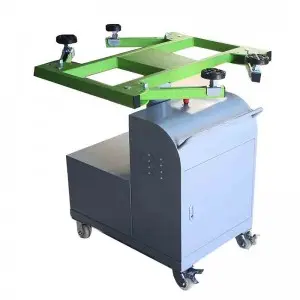
Exploring the Intricate Engineering and Versatility of the Cylinder: A Marvel of Shape and Function
Moreover, cylinders are essential components in hydraulic and pneumatic systems. Hydraulic cylinders, fueled by pressurized fluid, generate force and motion in heavy machinery, construction equipment, and industrial processes. Pneumatic cylinders, powered by compressed air, are prevalent in manufacturing and automation, enabling precise movements in robotics and assembly lines.
In conclusion, the cylinder is a shape that has stood the test of time, finding its place in a plethora of applications. Its geometric properties, volumetric efficiency, structural strength, and versatility make it indispensable across various fields. From the bustling oil industry to towering architectural marvels, the cylinder continues to prove its worth as a marvel of shape, function, and engineering. So next time you encounter a cylinder, take a moment to appreciate its remarkable contribution to our world.Quick Lift
About The Author
