
Cylinders are ubiquitous in our everyday lives, often appearing in various forms and serving multiple purposes. From the wheels on our cars to the container holding our morning coffee, cylinders are a vital component of countless objects and systems. However, their significance goes far beyond mere utility. These elegant geometric shapes possess unique properties and applications that have revolutionized numerous fields and industries. In this article, we will delve into the fascinating world of cylinders, exploring their impact, characteristics, and diverse range of practical uses.
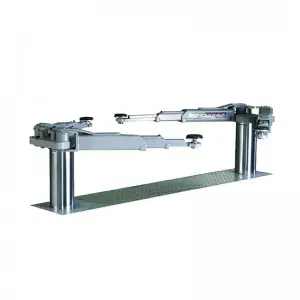
Unleashing the Power of the Cylinder: Exploring the Impact and Applications of this Remarkable Geometric Shape
Fundamentally, a cylinder is a three-dimensional shape characterized by its curved surface, two circular bases, and congruent parallel sides. It is a type of prism, distinguished by its circular cross-section. Cylinders can come in various sizes and dimensions, making them versatile for a wide array of applications.
One of the most remarkable aspects of the cylinder is its volume calculation. Unlike most irregular shapes that require complex formulas, calculating the volume of a cylinder is relatively straightforward. By multiplying the area of its circular base by its height, the volume can be determined. This simplicity is one of the key reasons why cylinders are widely used in industrial settings such as manufacturing, engineering, and architecture.
In engineering, cylinders are frequently employed in hydraulic and pneumatic systems. Hydraulic cylinders, in particular, play a critical role in various heavy machinery, providing the necessary force to lift, push, or control the movement of various components. These systems rely on the principles of fluid pressure, ensuring smooth and precise operations in machinery ranging from cranes and forklifts to excavators and bulldozers.

Unleashing the Power of the Cylinder: Exploring the Impact and Applications of this Remarkable Geometric Shape
Another area where cylinders have made a significant impact is in the automotive industry. Engine cylinders, which form the core of an internal combustion engine, are responsible for converting fuel into mechanical energy. As the pistons move up and down within the cylindrical chamber, they initiate the combustion process that ultimately powers the vehicle. The design and efficiency of the engine cylinders greatly influence a vehicle’s performance and fuel economy.
Beyond their industrial applications, cylinders also find extensive use in everyday consumer products. From aerosol cans to water bottles and even storage containers, cylinders provide an efficient and space-saving option for storing various substances. Their symmetrical shape allows for easy handling and stacking, making them indispensable in everyday life. Cylinder locks, commonly used in home security systems, rely on the unique shape to provide maximum strength and durability.
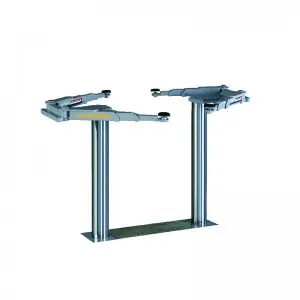
Unleashing the Power of the Cylinder: Exploring the Impact and Applications of this Remarkable Geometric Shape
Cylinders also play a crucial role in the field of optics. Optical lenses, such as those found in cameras, telescopes, and microscopes, often have a cylindrical shape to achieve specific magnification and focal length requirements. Cylindrical lenses are particularly useful in correcting astigmatism, a condition that causes blurred vision due to irregularly shaped corneas. By precisely manipulating the curvature of the lens, cylindrical lenses can compensate for astigmatism, improving visual acuity.
In the world of architecture and design, cylinders are celebrated for their aesthetic appeal. From ancient civilizations to modern skyscrapers, cylindrical structures have adorned the architectural landscape. The Pantheon in Rome, renowned for its perfect cylindrical shape, serves as a testament to the enduring allure of this geometric form. Additionally, cylindrical towers and columns provide structural stability, particularly when dealing with large vertical loads.
In conclusion, cylinders are far more than mere mundane shapes; they are fundamental building blocks across a vast spectrum of industries and disciplines. From enhancing our daily lives through their practical applications to driving monumental advancements in engineering and science, the versatility and efficiency of cylinders are undeniable. By harnessing the power of the cylinder, we continue to unlock new possibilities and shape the world around us.New Engery Vehicle Battery Lift
About The Author
