

The Advancements and Benefits of Metal Cutting Machines in the Industrial Sector
Metal cutting machines have revolutionized the way industries operate and have greatly improved productivity and efficiency. These machines, equipped with advanced technology and precision engineering, have become an integral part of various manufacturing processes. From automotive to aerospace, metal cutting machines have proven to be indispensable tools in shaping and fabricating metal components.
One of the key benefits of metal cutting machines is their ability to produce highly accurate and consistent cuts. These machines employ computer numerical control (CNC) technology, which allows for precise control of the cutting process. This eliminates the variability that may arise from manual cutting methods, resulting in superior quality and dimensional accuracy of the finished product.
Another significant advantage of metal cutting machines is their versatility. They have the capability to cut various types of metals, ranging from steel and aluminum to titanium and brass. This flexibility allows industries to produce a diverse range of components, catering to the specific needs and requirements of their customers. Furthermore, these machines can cut through different thicknesses and shapes of metal, making them suitable for both intricate and large-scale manufacturing operations.
The advancements in metal cutting machine technology have also led to increased automation in the manufacturing sector. With the integration of robotics and artificial intelligence, these machines can now perform complex cutting tasks with minimal human intervention. This not only improves the safety of the workplace but also enhances productivity by reducing downtime and increasing throughput.
The Advancements and Benefits of Metal Cutting Machines in the Industrial Sector
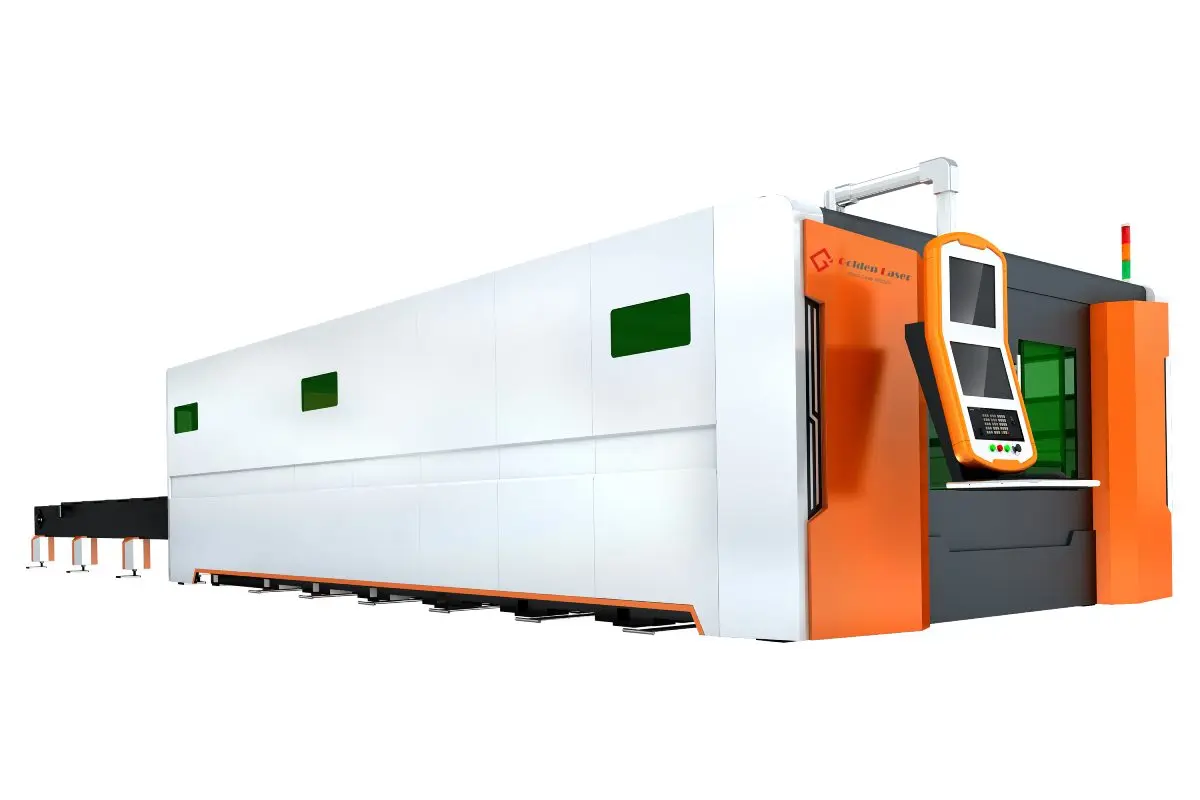
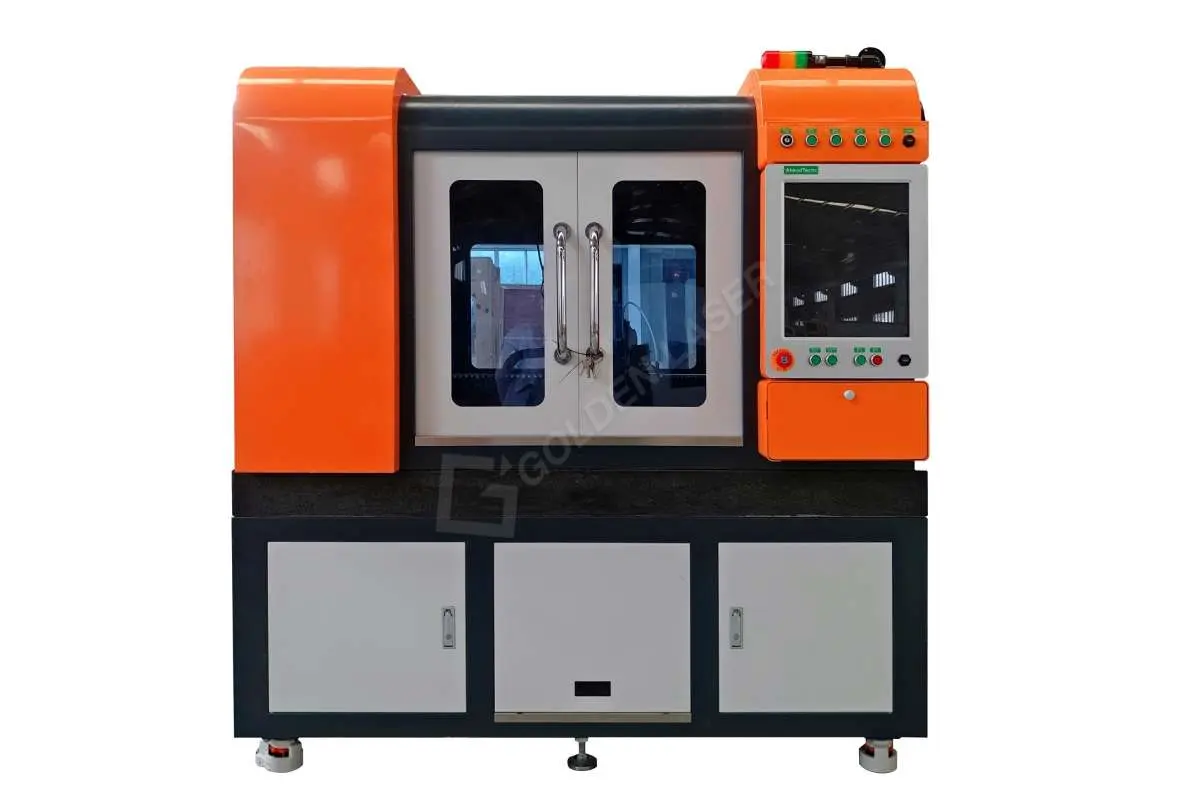
One of the significant developments in metal cutting machines is the incorporation of laser cutting technology. Laser cutting machines utilize a high-powered laser beam to melt, burn, or vaporize the metal, resulting in precise and clean cuts. This method eliminates the need for physical contact with the metal, minimizing the risk of damage or distortion.
Moreover, laser cutting machines offer higher cutting speeds compared to conventional methods, making them ideal for high-volume production. They also enable the cutting of intricate shapes and patterns that would be challenging to achieve with traditional cutting tools. Furthermore, laser cutting machines are energy-efficient, reducing electricity consumption and operational costs for industries.
Plasma cutting machines are another popular type of metal cutting technology widely used in industrial applications. These machines utilize a stream of ionized gas (plasma) to cut through metal. Plasma cutting offers advantages such as fast cutting speeds, ability to handle a wide range of metal thicknesses, and cost-effectiveness compared to other cutting techniques.
With the advancements in robotics, metal cutting machines equipped with robotic arms have become increasingly common in industrial setups. These robots can perform complex cutting tasks with high precision and speed, improving overall efficiency. They also offer the flexibility to adapt to changing requirements by easily reprogramming the robotic arm for different cutting patterns and shapes.
The Advancements and Benefits of Metal Cutting Machines in the Industrial Sector
In conclusion, metal cutting machines have revolutionized the manufacturing industry by providing accurate, versatile, and automated cutting solutions. The advancements in technology, such as CNC, laser cutting, and plasma cutting, have further enhanced the capabilities of these machines. As industries continue to strive for increased productivity and efficiency, metal cutting machines will undoubtedly remain an essential tool in their operations. laser welding machine
About The Author
