
Chinese furniture is known for its impeccable craftsmanship, intricate designs, and elegant simplicity that have fascinated art enthusiasts for centuries. Each piece of furniture tells a captivating story, and their timeless beauty has been passed down from generations to generations. Although it has evolved over time, the essence of traditional Chinese furniture remains, and it continues to inspire modern designs.
The history of Chinese furniture can be traced back to the Neolithic period, where the earliest known chairs were made from stone. As technology evolved, wood became the primary material for furniture making, and different dynasties were known for distinct styles. The Tang dynasty (618-907 AD) was known for the use of bold, striking designs with intricate carving, which were mostly displayed in royal palaces. During the Ming dynasty (1368-1644 AD), furniture started to become popular among the middle and upper classes, and we see the emergence of the famous rosewood furniture. The Qing dynasty (1644-1912 AD) witnessed the pinnacle of furniture making, where the art form reached new heights of sophistication.
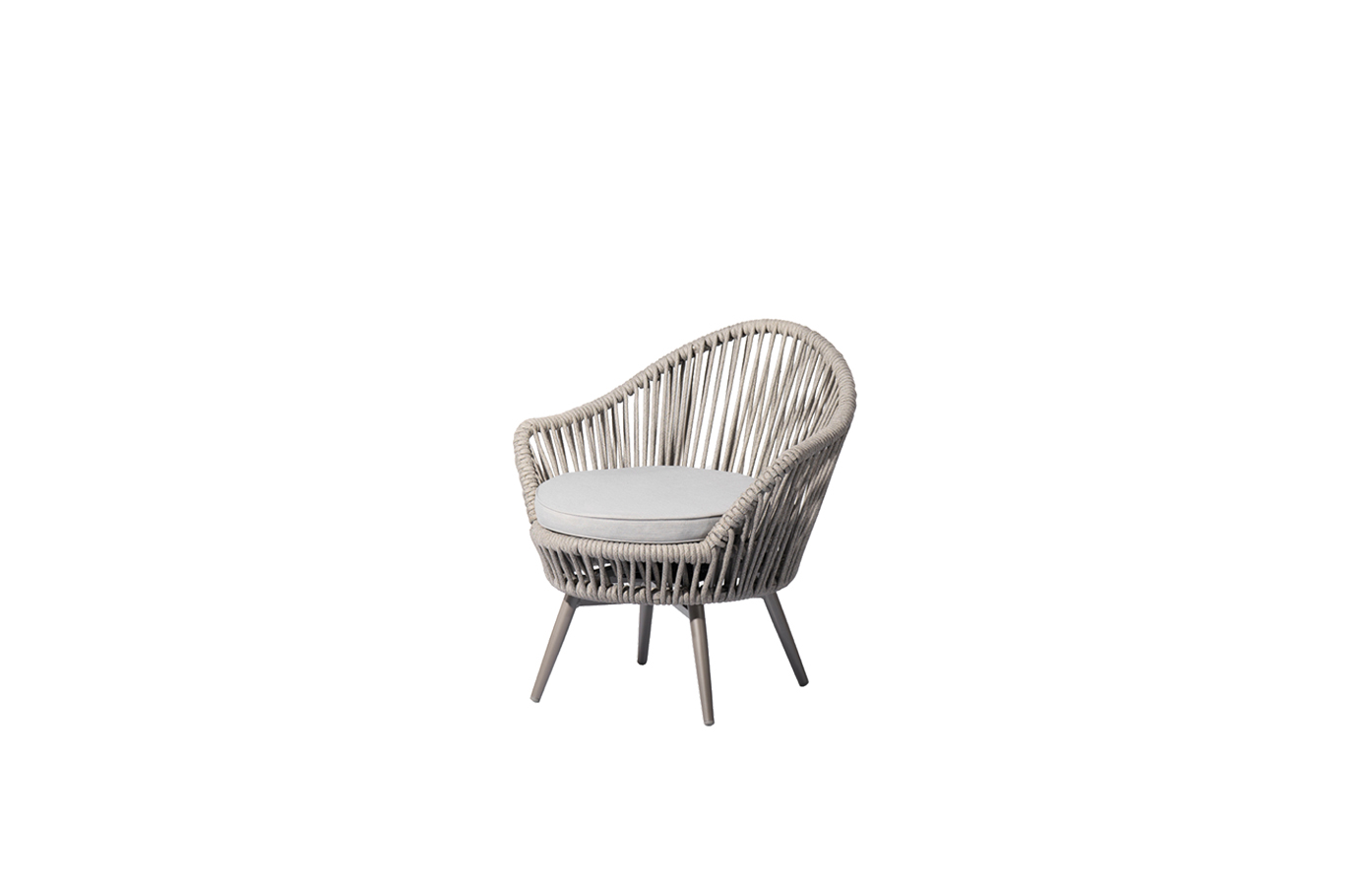
Exploring the Rich History and Timeless Beauty of Chinese Furniture
One of the most distinctive features of Chinese furniture is its functional design. Furniture was seen as an extension of nature, and the material used was meant to enhance its natural beauty. Most furniture pieces were designed with specific functions in mind, such as cabinets, beds, tables, and chairs. However, their multi-functionality is impressive as some of them could be easily transformed from one use to another.
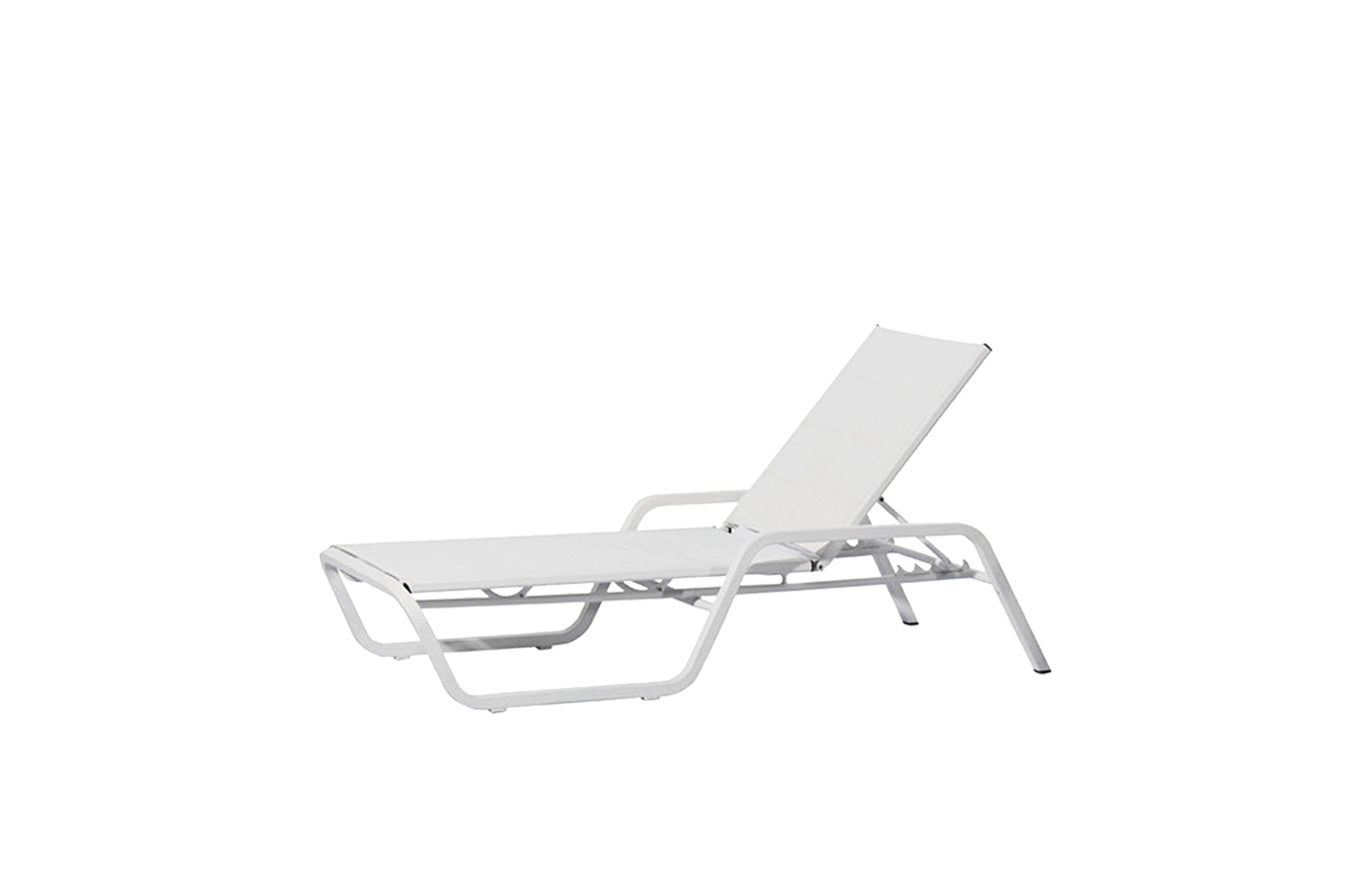
Exploring the Rich History and Timeless Beauty of Chinese Furniture
Chinese furniture is also recognized for its symbolism and the use of auspicious motifs. The dragon, which is a symbol of power and strength, is a common motif found in traditional furniture. The Phoenix, a symbol of femininity and beauty, is also used extensively. Additionally, the use of wood-carving and joinery techniques in furniture making is another unique attribute. Special attention is given to joinery, where no nails or screws are used to hold the furniture together, and each piece fits together like an intricate puzzle.

Exploring the Rich History and Timeless Beauty of Chinese Furniture
The influence of Chinese furniture can be seen in modern furniture designs that incorporate traditional elements with contemporary aesthetics. The timeless beauty of Chinese furniture has remained relevant throughout the ages, and it continues to inspire designers from all over the world.
In conclusion, Chinese furniture has a fascinating history with unique features that differentiate it from other furniture styles. Its elegance, functionality, and symbolism make it a valuable addition to any collection. The beauty of Chinese furniture remains timeless, and it continues to inspire modern designs that incorporate traditional techniques and motifs. Resin Wicker Outdoor Furniture
About The Author
