
Metal cutting is an essential process for industrial manufacturing, where various materials need to be cut, shaped, and formed to form the components for final assembly. It’s a continuous process, and as technology advances, so does the process of metal cutting, which has come a long way from its traditional manual methods. Today, metal cutting is automated, precise, and highly efficient, thanks to innovative technologies and equipment.
Metal cutting operations can vary depending on the material, thickness, and intended shape of the component. However, in this guide, we will explore some of the most widely used metal cutting processes that manufacturers use to maximize efficiency and precision.
[1. Laser Cutting]
Maximizing Efficiency and Precision in Metal Cutting: A Guide for Industrial Manufacturers
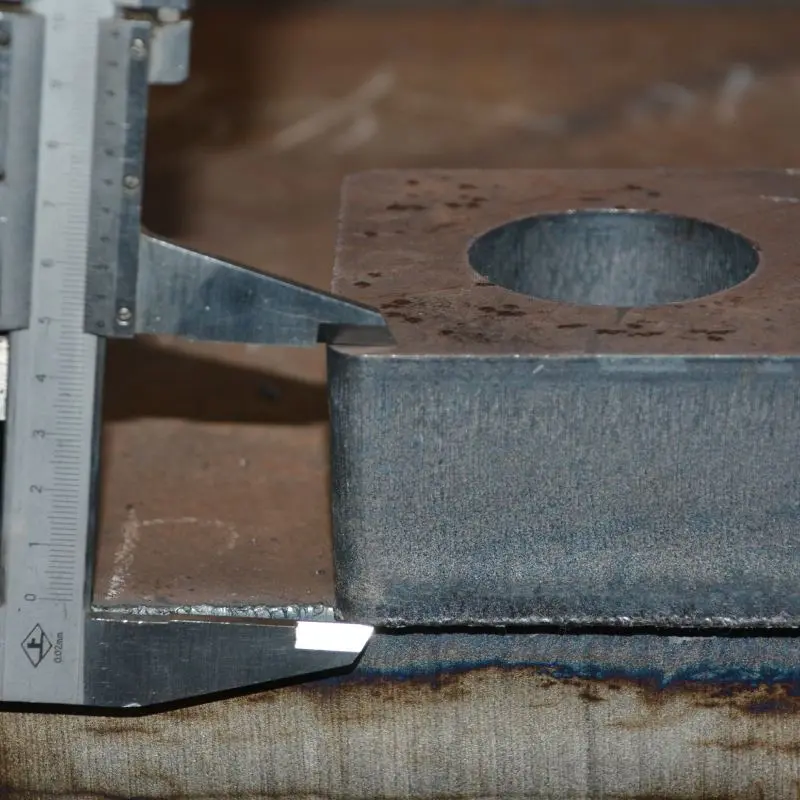
Laser cutting is a popular technique for precise and accurate metal cutting, especially for thin and delicate materials. It involves directing a high-powered laser beam onto the metal’s surface, melting or vaporizing metal material, and creating the desired cut. As a non-contact process, laser cutting leaves no marks on the material that can later affect the component’s functionality. Manufacturers choose laser cutting due to its high speed, low heat input, and flexibility in cutting various shapes, including curves and angles.
[2. Plasma Cutting]
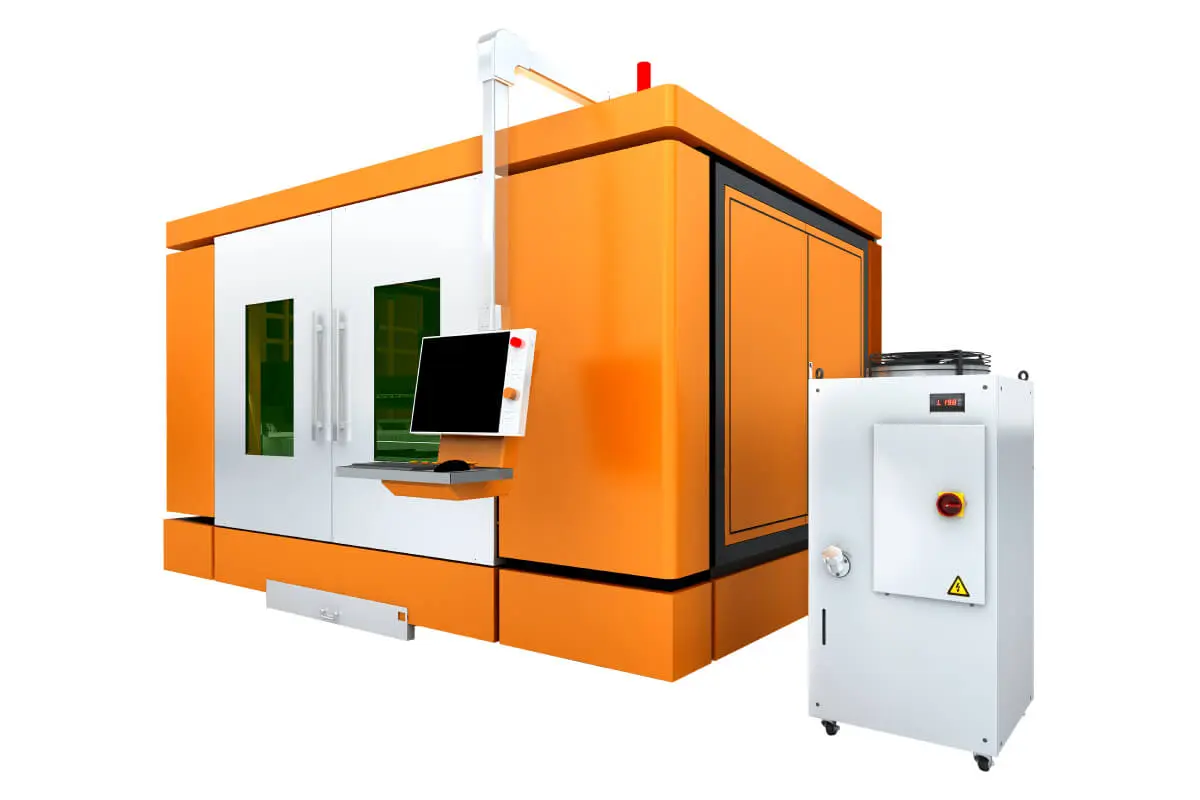
Plasma cutting is another extensively used metal cutting process that uses a plasma torch to cut through thick and dense materials. Unlike laser cutting, plasma cutting uses a high-velocity stream of ionized gas to cut through metals. This technique is ideal for cutting and shaping larger components that require precision and durability. Plasma cutting can cut through a wide range of materials, including stainless steel, brass, copper, and aluminum, and can cut up to several inches thick.
Maximizing Efficiency and Precision in Metal Cutting: A Guide for Industrial Manufacturers
[3. Waterjet Cutting]
Waterjet cutting is a distinct metal cutting process that uses pressurized water with abrasives to cut through various materials. This technique is environmentally friendly and significantly reduces the materials’ thermal loading compared to traditional methods like laser and plasma cutting. Waterjet cutting is an ideal process for cutting through dense and thick materials that would be difficult to cut using other methods. Additionally, due to the low heat input, water jet cutting avoids any alterations to the material’s properties, making it possible to cut fragile materials such as glass, ceramics, and stone.
The above metal cutting processes have their uniqueness in terms of applications and effectiveness. However, the choice of which technique to use is dependent on the material type, thickness, manufacturing capability, and expected result. Many industrial manufacturers optimize these cutting processes through Computer Aided Design (CAD) software, which helps them create and simulate precise designs according to specific requirements.
Additionally, these manufacturers have shifted their attention to implementing smart technology such as artificial intelligence, automation, blockchain technology, and the Internet of Things (IoT). These industries can take advantage of these futuristic technologies to improve their manufacturing process’s efficiency and productivity and provide better solutions for their customers.
Maximizing Efficiency and Precision in Metal Cutting: A Guide for Industrial Manufacturers
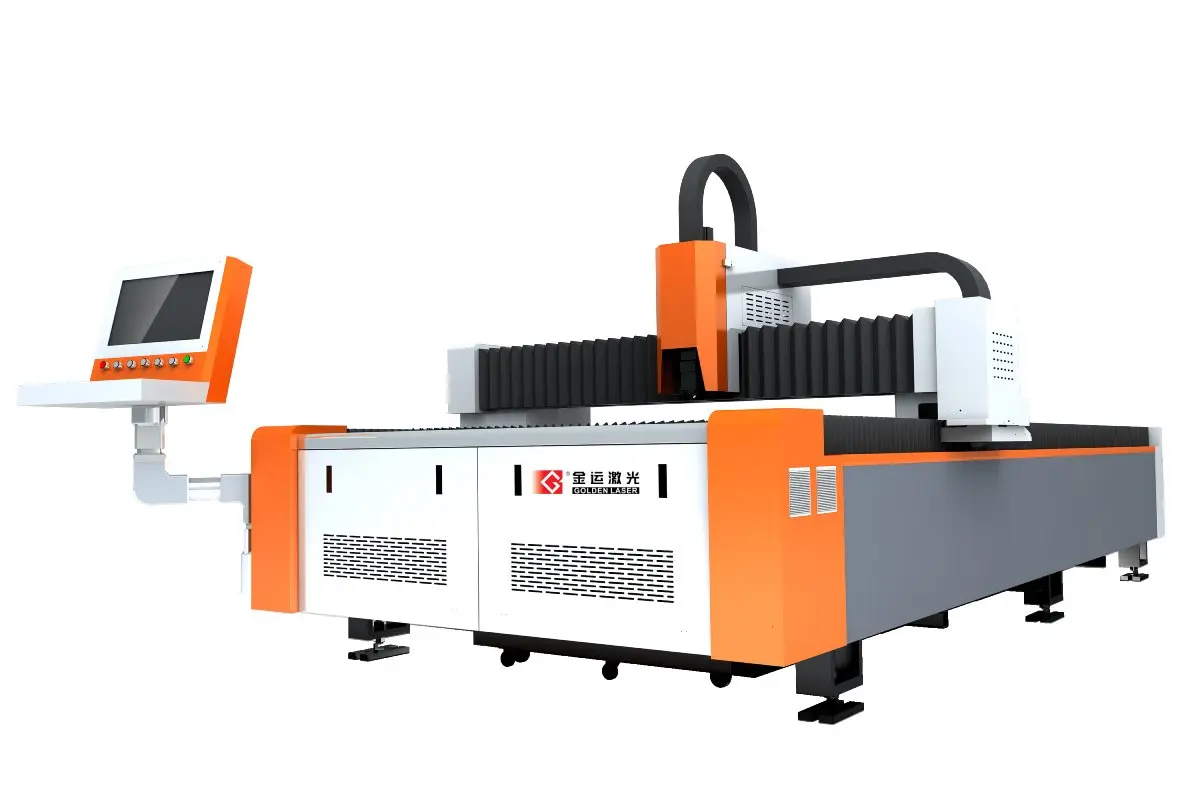
In conclusion, metal cutting is a crucial step in the manufacturing process, and it determines how accurate, efficient and productive the final product will be. Indeed, these metal cutting processes are continually developing, and the industry is embracing technology to propel it forward rapidly. Dual Function Nlight Fiber Laser Cutter
About The Author
