
As a DIY car enthusiast or a professional mechanic, having a reliable and efficient car quick lift is indispensable. This essential tool allows you to easily and safely lift your car for maintenance, tire change, or inspection, without the need for bulky jacks and stands. However, not all car quick lifts are created equal, and choosing the right one for your needs can be tricky. In this comprehensive guide, we’ll cover everything you need to know about car quick lifts, from their types and features to their advantages and drawbacks, safety considerations, and maintenance tips.
Types of car quick lifts
Car quick lifts come in various types and configurations, each with its own advantages and limitations. The most common ones are:
– Scissor jack – a compact and lightweight jack that uses a scissor-like mechanism to lift the car from one or both sides. Scissor jacks are usually included in the car’s toolbox and can be used to change a flat tire or for emergency lifting.
– Hydraulic floor jack – a heavy-duty jack that uses hydraulic pressure to lift the car from the chassis or frame. Hydraulic jacks have larger weight capacities than scissor jacks and can lift the car higher, but they are bulkier and require more space and maintenance.
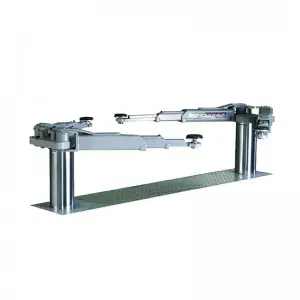
– Portable car lift – a versatile and convenient lift that can be moved around and set up in minutes. Portable car lifts come in various forms, such as scissor lifts, four-post lifts, and two-post lifts, and can lift the car from the wheels, chassis, or frame. Portable car lifts are ideal for small garages or mobile mechanics, but they are more expensive than jacks and require more space and power.
Features and specs to consider
When choosing a car quick lift, there are several features and specs to consider, such as:
– Weight capacity – the maximum weight the lift can handle. Make sure to choose a lift with a weight capacity that is higher than your car’s weight, plus the weight of any attachments or accessories.
– Lifting height – the maximum height the lift can lift the car. Make sure to choose a lift that can lift your car high enough to allow you to work comfortably and safely.
– Lift type – the type of lift that suits your needs and space. If you have a small garage or need to move the lift around, a portable lift might be a better option than a fixed jack or stand.
– Safety features – such as locking mechanisms, safety bars, and overload protection, that ensure the lift stays in place and doesn’t collapse or tip over.
– Ease of use – such as ease of setup, operation, and storage, that make the lift more user-friendly and time-efficient.
Pros and cons of car quick lifts
Like any tool, car quick lifts have their advantages and disadvantages, depending on your needs and expectations. Some of the main pros and cons are:
Pros:
– Saves time and effort compared to using jacks and stands.
– Allows you to work at a comfortable height and angle, minimizing the risk of injury or strain.
– Provides better stability and support than jacks and stands, reducing the risk of the car tipping or falling.
– Enables you to lift the car more precisely and evenly, reducing the risk of damaging the car or its components.
– Can be used for various tasks, such as oil changes, suspension work, brake jobs, and more.
Cons:
– Can be expensive, especially if you need a heavy-duty or portable lift.
– Requires more space and power than jacks and stands, especially if you opt for a fixed lift.
– Requires more maintenance and upkeep, such as checking the fluid level, bleeding the air, and replacing the seals and hoses.
– Can be risky if not used correctly or maintained properly, leading to accidents or injuries.

The Ultimate Guide to Car Quick Lift: Pros and Cons, Safety Tips, and Maintenance Tricks
Safety tips for using car quick lifts
The Ultimate Guide to Car Quick Lift: Pros and Cons, Safety Tips, and Maintenance Tricks
To ensure you use your car quick lift safely and avoid accidents or injuries, follow these simple tips:
– Always read and follow the manufacturer’s instructions and safety guidelines.
– Always use a lift point that is recommended by the manufacturer and suitable for your vehicle.
– Make sure the lift is stable and secure before you start lifting the car.
– Double-check the lift’s locking mechanism and safety bars before getting under the car.
– Never exceed the weight capacity or lifting height of the lift.
– Always wear proper safety gear, such as gloves, eye protection, and closed-toe shoes.
– Always keep children and pets away from the lift when in use.
Maintenance tips for car quick lifts
To ensure your car quick lift stays in top condition and lasts for a long time, follow these maintenance tips:
– Check the lift’s fluid level and condition regularly, and replace it as necessary.
– Bleed the air out of the lift’s hydraulic lines and cylinders to ensure optimal performance.
– Lubricate the moving parts, such as the joints and bearings, to prevent rust and wear.
– Inspect the springs, seals, hoses, and bolts for signs of wear, damage, or leaks, and replace them as needed.
– Keep the lift clean and dry, and store it in a dry and ventilated place.
– Use only high-quality hydraulic fluids and replacement parts, and avoid cheap and unreliable brands.
The Ultimate Guide to Car Quick Lift: Pros and Cons, Safety Tips, and Maintenance Tricks
Conclusion
A car quick lift can be a game-changer for anyone who works on cars, whether professionally or as a hobby. However, choosing the right lift for your needs, using it safely, and maintaining it regularly are all critical to ensure you get the most out of this valuable tool. By following the tips and guidelines in this guide, you can enjoy the benefits of a car quick lift while minimizing the risks and costs.Cylinder
About The Author
