
Cylinders are a ubiquitous shape that can be found in various industries, from automotive engines to everyday household items. The cylindrical shape has been employed for centuries due to its structural stability and efficiency, making it a prime choice for various applications.
One of the most common uses of cylinders is in the automotive industry. Cylinders are an essential component of combustion engines, which are found in most vehicles. The power generated by these engines is generated by the expansion of gases within the cylinders. Each cylinder contains a piston, which is connected to a crankshaft. As the fuel mixture ignites, it pushes the piston, which in turn rotates the crankshaft, ultimately propelling the vehicle forward.

The Versatility of Cylinders: From Engines to Everyday Items
The Versatility of Cylinders: From Engines to Everyday Items
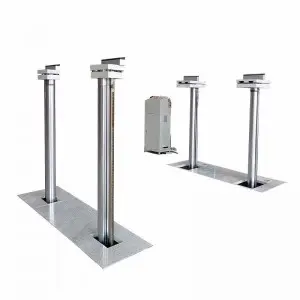
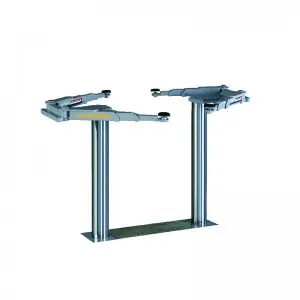
Beyond the automotive industry, cylinders have numerous applications in other fields. In the realm of engineering, cylinders are used to create actuators that can move and control machinery. Actuators are devices that convert energy into motion and can be found in robots, CNC machines and other automated equipment. Cylinders can also be used as hydraulic devices, converting hydraulic pressure into linear force. This principle is employed in many construction machines such as cranes, backhoes, and excavators.
The Versatility of Cylinders: From Engines to Everyday Items
Cylinders also play a crucial role in the production of industrial gases. Industrial gases are used in a diverse range of industries including food processing, metal fabrication, and electronics manufacturing. Cylinders made of specialized materials can store gases at exceptionally high pressures and are critical for safely transporting these gases around the world.
Aside from industrial applications, cylinders can also be found in everyday household items. Examples include aerosol spray containers, soda cans, and fire extinguishers. The cylindrical shape is an efficient use of space, allowing for maximum storage capacity while minimizing wasted materials. This principle is highlighted in soda cans, where the cylindrical shape allows for ample storage of liquid without compromising on structural integrity or durability.
Cylinders are also a staple in the world of kitchenware. From rolling pins to cookie cutters, the cylindrical shape is a common design element that offers both functional and aesthetic benefits. For instance, cylindrical-shaped mixing bowls offer sufficient space for mixing ingredients, while cylindrical spice jars can keep kitchen staples organized in an aesthetically pleasing manner.
In summary, cylinders are a versatile shape with a wide range of potential applications. From automotive engines to industrial gases and everyday household items, cylinders have provided structural stability and efficiency for centuries. Given their continued importance across numerous industries, it’s clear that cylinders will continue to play an essential role in shaping the world we live in.Cylinder
About The Author
