
The advent of laser cutting technology has revolutionized the metal fabrication industry. By harnessing the power of focused, high-intensity lasers, engineers can now manipulate and shape various metals with unmatched precision and efficiency. At the forefront of this rapidly evolving field is the laser cutting metal machine, which has emerged as a game-changer in the realm of precision engineering.
Gone are the days when traditional methods such as plasma cutting or mechanical sawing were the primary means of cutting metal. While these techniques certainly served their purpose, they often fell short in terms of precision, speed, and versatility. The introduction of laser cutting machines has completely transformed the industry, allowing manufacturers to tackle complex designs and intricate patterns with ease.
The laser cutting metal machine operates on a simple principle: a laser beam is generated by the machine using intense light amplification. This concentrated beam is then directed towards the metal substrate, which melts or vaporizes upon contact, resulting in a precise cut. What sets this technology apart is its ability to cut through a wide range of metals, including stainless steel, aluminum, copper, and brass, without causing any material deformation or warping.
One of the key advantages of laser cutting metal machines is their exceptional accuracy and repeatability. The laser beam can be controlled with remarkable precision, allowing for the creation of intricate designs and features that were previously deemed impossible. In addition, these machines offer a high level of consistency, ensuring that each finished product adheres to the exact specifications provided. This level of precision is particularly crucial in industries such as aerospace, automotive, and electronics, where even the smallest deviation can have severe consequences.
Another notable benefit of laser cutting machines is their remarkable speed and efficiency. Unlike traditional methods that involved time-consuming setup and manual labor, laser cutting machines can swiftly process a large volume of parts in a fraction of the time. This not only increases productivity but also allows manufacturers to meet tight deadlines and rapidly respond to market demands. Furthermore, the non-contact nature of laser cutting minimizes the risk of mechanical wear and tear, resulting in increased machine lifespan and reduced maintenance costs.
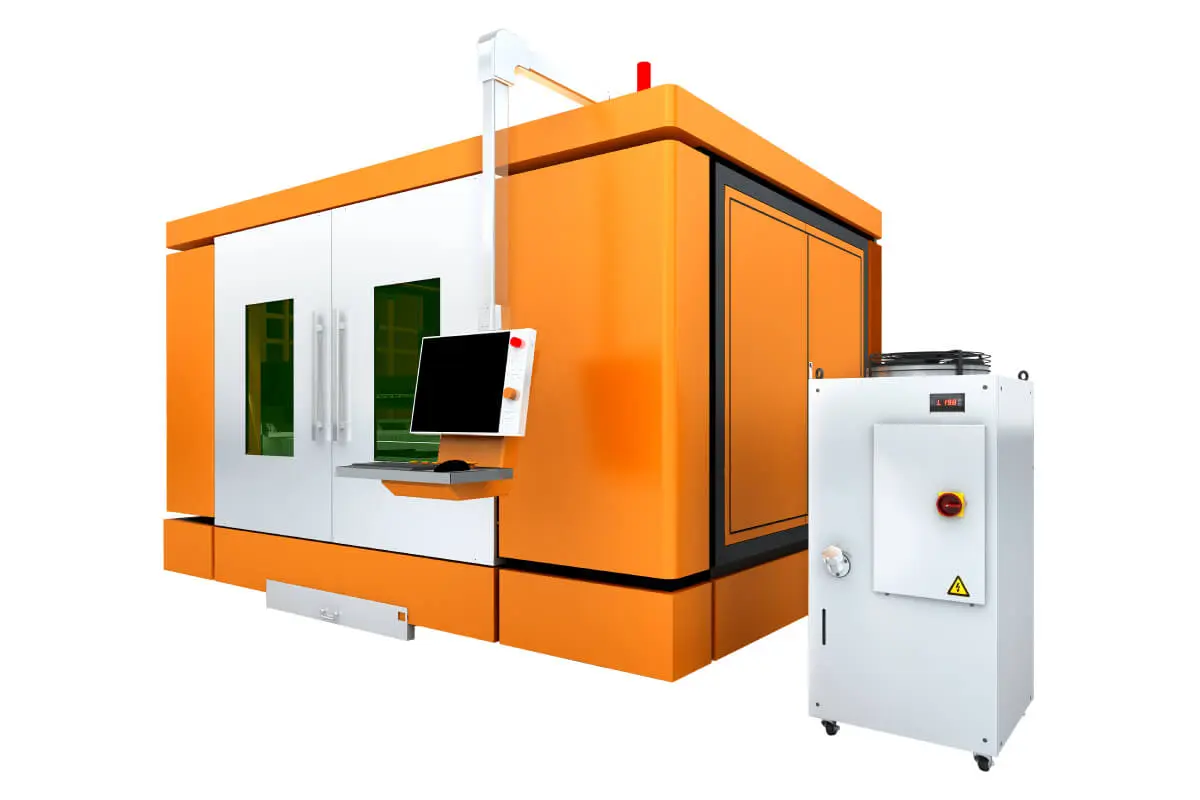
Introducing the Revolutionary Laser Cutting Metal Machine: A Game-Changer in Precision Engineering
Moreover, laser cutting machines offer unparalleled flexibility and versatility. With the ability to cut intricate shapes, intricate patterns, and even 3D forms, these machines empower designers and engineers to bring their creative visions to life. Complex geometries, beveled edges, or curves are easily achievable, expanding the possibilities for the manufacturing industry and fostering innovation.
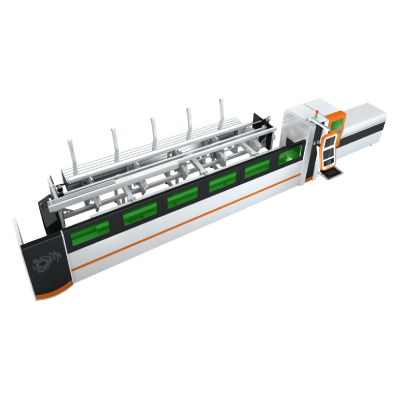
Introducing the Revolutionary Laser Cutting Metal Machine: A Game-Changer in Precision Engineering
Additionally, laser cutting metal machines promote sustainability and environmental responsibility. As a non-contact process, they require minimal material handling and result in less scrap metal waste. Furthermore, the energy efficiency of laser cutting machines decreases energy consumption, leading to reduced operational costs and a smaller carbon footprint.
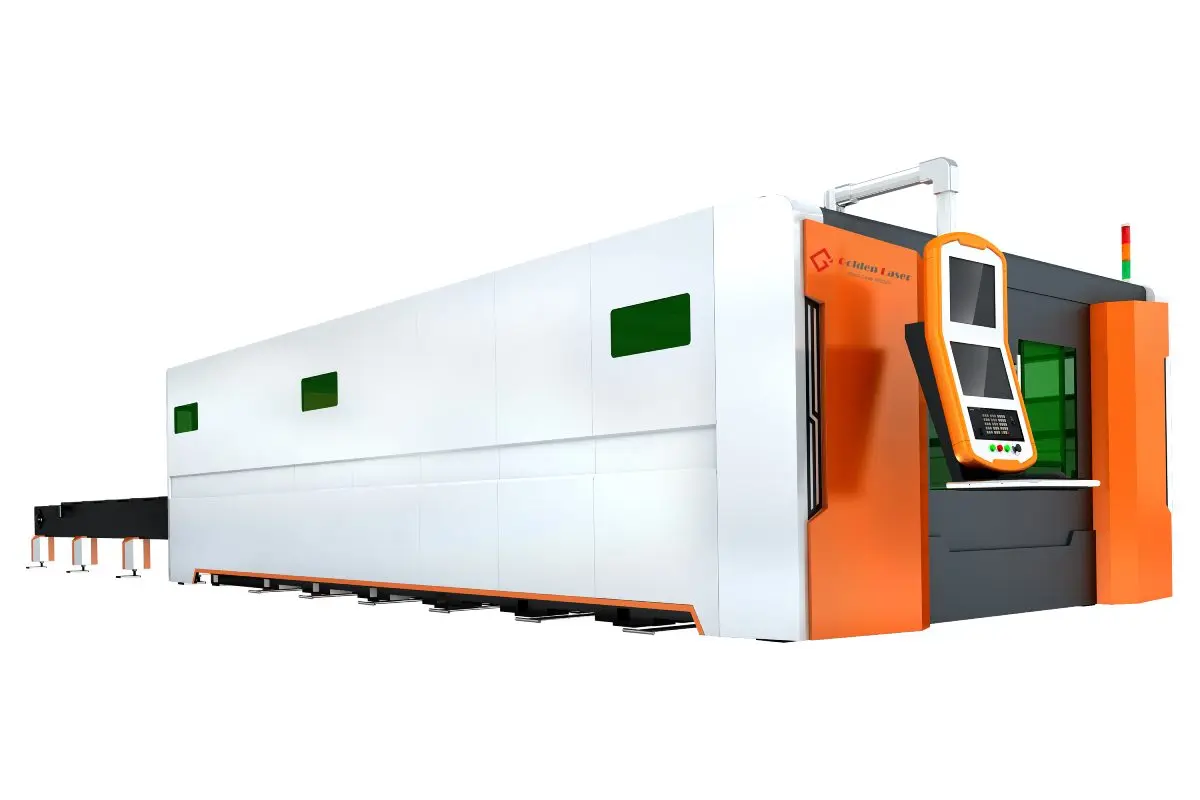
Introducing the Revolutionary Laser Cutting Metal Machine: A Game-Changer in Precision Engineering
In conclusion, the laser cutting metal machine has revolutionized the metal fabrication industry, transforming the way manufacturers approach cutting and shaping metals. With their exceptional precision, speed, versatility, and environmental benefits, these machines have become an invaluable asset in a wide range of industries. As technology continues to advance, we can only anticipate further enhancements and innovations, ensuring that the laser cutting metal machine remains at the forefront of precision engineering for years to come. Fibre Laser 4kw
About The Author
